I didn’t start out in interior design.
I moved several times and lived in different parts of the world growing up. Both of my parents had careers that shaped the way I learned to think about people, problems and the world around me.
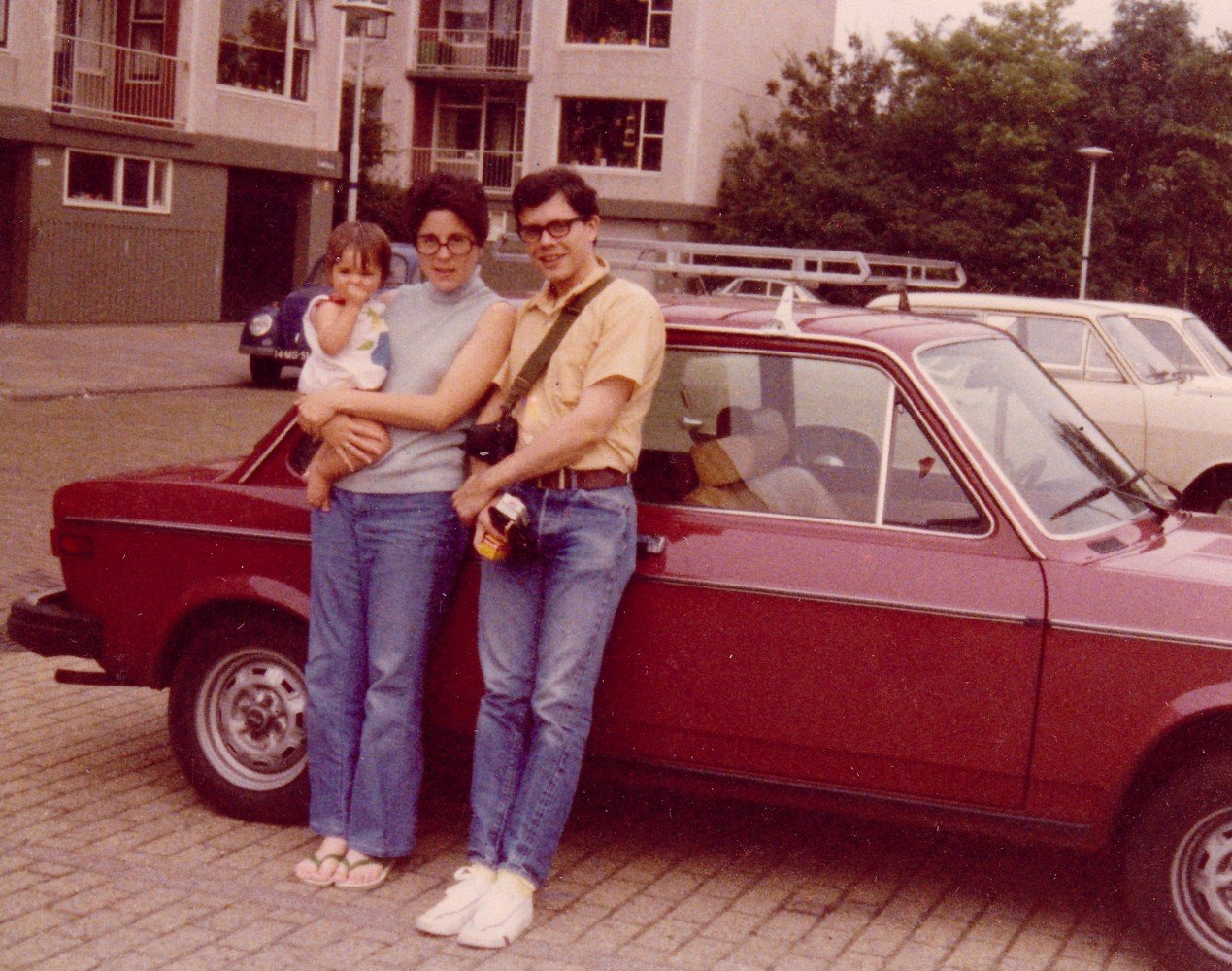
My father was a nuclear physicist whose work included developing systems used to detect nuclear and chemical weapons. His technology is still used today in international weapons inspections and treaty verification. My mother spent much of her career in public involvement, often working with government agencies to help communities understand complicated projects and, just as importantly, make sure people had an opportunity to be heard. After 9/11, she helped facilitate meetings with Manhattan communities, survivors and families affected by the attacks. It is work she remains incredibly proud of.
I see a lot of both of them in myself.
I inherited my father’s attention to detail and instinct for problem solving, and my mother’s empathy, curiosity about people and desire to connect with them. It turns out interior design requires a surprising amount of both.
Before I figured that out, though, I followed a much more predictable path.
I earned a bachelor’s degree in physics from Baylor University and a PhD in Molecular and Cell Biology from Brandeis University. I then spent more than a decade working as a scientist.
And I genuinely loved science.
I loved the creativity of it. Science isn’t often thought of as a creative field, but when you’re doing research at the forefront of a field, creativity is essential. You’re trying to answer questions no one has answered before, which means thinking differently, finding new ways to approach a problem and solving problems no one has solved before.
Then, in 2014, my family was looking for a house in Newton, Massachusetts.
I became slightly obsessed with a 1902 Shingle Style Victorian that wasn’t even on the market. I could see that the house needed an enormous amount of work, but I could also see what was there underneath it.
So I wrote the owner a letter.
To my surprise, he answered.
Eventually we shook hands on a deal and the house became ours.
The foundation was structurally sound. Beyond that, there was a lot to figure out.
We undertook a major renovation, and I became completely absorbed in the process. The deeper we got into the house, the more interesting it became. Plumbing had been threaded through framing generations earlier. Joists had been cut. Systems had been added, removed and altered over more than a century.
Every decision seemed to reveal another problem that needed solving.
I loved it.
But I also became very aware that the goal wasn’t simply to fix everything or make the house look new. The house had survived for more than a hundred years. It had character because of that history.
The real challenge was figuring out how to make it work for our family without removing the things that made it special in the first place.
That project changed the direction of my life.
Twelve years later, I sometimes look at the path from molecular biology to interior design and think it seems like an enormous leap.
In practice, it doesn’t feel that way at all.
I still spend my days trying to understand complicated systems. I still ask a lot of questions. I still pay attention to details that may seem insignificant until they affect everything else.
But now there is another layer to the work.
A house isn’t just a technical problem to solve. There are people at the center of it.
You have to understand how they live, what frustrates them, what they value, what they want to preserve and how they want to feel when they walk through the door.
That combination of problem solving and understanding people is probably the part of this work I love most.
And I suspect I have both of my parents to thank for that.